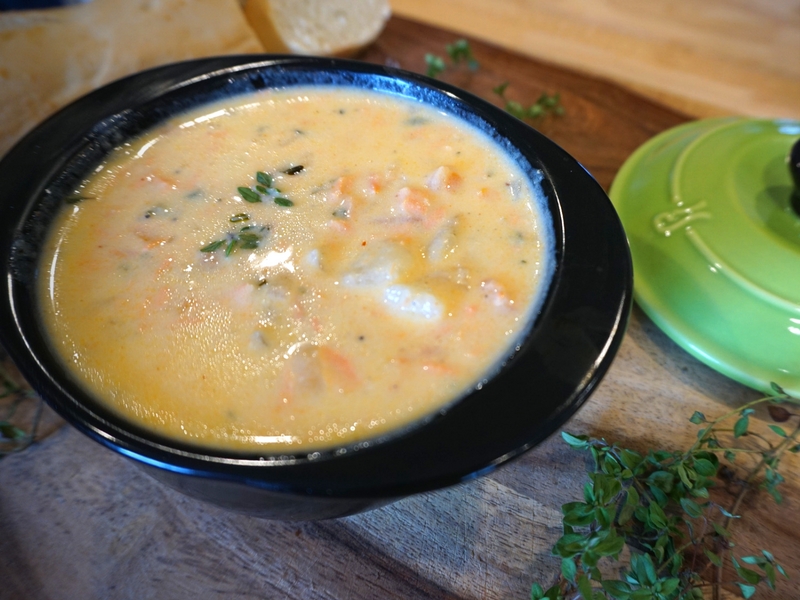
The Unexpected Delight of a Homemade Fish Chowder Recipe
When the craving for a comforting, hearty bowl of soup strikes, our minds often wander to classic chicken noodle or a creamy clam chowder. But what if we told you there's an equally, if not more, delightful option that's often overlooked? Enter the homemade fish chowder recipe – a dish that promises a symphony of flavors, quick preparation, and a satisfying warmth that's both light and fulfilling.
Forget your preconceptions about fish soup; this isn't your average seafood broth. Instead, it offers a vibrant, tomato-based experience, reminiscent of a Manhattan-style chowder but with the unique, delicate texture and flavor of fresh fish. It's a culinary revelation that proves fish can be the star of a truly memorable soup, cooked up in surprisingly little time.
Why This Fish Chowder Stands Out from the Crowd
This particular fish chowder recipe isn't just another item on your dinner menu; it's a game-changer. Here’s why it deserves a spot in your culinary repertoire:
- Light Yet Substantial: Unlike cream-laden chowders, this recipe provides a comforting depth without feeling heavy, making it perfect for any season.
- Remarkably Quick: From prep to plate, you'll be amazed at how fast this flavorful chowder comes together, making it ideal for busy weeknights.
- Versatile Ingredients: It happily adapts to various types of fish and even different forms of tomatoes, inviting you to experiment and personalize.
- Rich & Satisfying Flavor: Each spoonful is packed with wholesome vegetables, tender fish, and a perfectly seasoned broth that warms you from the inside out.
Crafting Your Perfect Fish Chowder Recipe: Ingredients & Substitutions
The beauty of this fish chowder recipe lies in its simplicity and adaptability. While we provide a clear guideline, feel free to make it your own based on what’s fresh and available.
Choosing Your Fish: The Heart of the Chowder
The quality of your fish is paramount. The recipe thrives on firm, mild white fish, but don't shy away from other options. Past successes have included:
- Cod: A classic choice, firm and flaky, with a very mild flavor.
- Haddock: Similar to cod, perhaps slightly sweeter.
- Tilapia: A very mild, widely available option.
- Flounder/Sole: Delicate texture, best if you prefer a softer fish.
- Catfish: Offers a slightly richer flavor and firm texture.
- Salmon: While not a white fish, salmon adds a wonderful richness and unique flavor profile, making for a distinctly different yet equally delicious chowder.
Feel free to use a single type of fish or combine two or more for a more complex flavor and texture. If using frozen fish, ensure it's fully thawed and patted dry before cubing to prevent excess water from diluting your chowder. For more in-depth advice on selecting the perfect fish for your chowder, you might find additional insights in fish chowder recipe - Article 2.
The Aromatic Base: Vegetables & Broth
The foundation of any great chowder starts with its aromatics and broth. This recipe keeps it classic and comforting:
- Carrots & Celery: These provide a sweet, earthy depth and essential texture. Slice carrots and dice celery uniformly for even cooking.
- Leeks: The white part of a leek adds a subtle, delicate onion-like flavor that is less pungent than a standard onion. Ensure they are thoroughly cleaned to remove any grit.
- Potatoes: Peeled and sliced, potatoes contribute to the chowder's satisfying heartiness and help thicken the broth slightly as they release starch.
- Broth: You have excellent flexibility here. 5 cups of chicken, vegetable, or fish stock will all work wonderfully. Fish stock will obviously enhance the seafood flavor, while chicken or vegetable broth keeps it universally appealing. Choose a low-sodium option if possible, so you can control the seasoning.
Tomato Variations: Adding Tang and Depth
The tomato component is what gives this chowder its signature "Manhattan-style" character:
- Canned Stewed Tomatoes: These are the go-to for convenience and a rich, developed flavor. A 14 oz can is perfect, but a pint of home-canned tomatoes works beautifully if you have them.
- Fresh Tomatoes: If using fresh, aim for about a pound of diced tomatoes. Roma or other meaty varieties work well, offering a brighter, fresher taste.
- Bottled Salsa: For a unique twist and a subtle kick, the reference context suggests using bottled salsa. This is a fantastic idea! It not only adds a nice bit of extra flavor but can also introduce a touch of heat and a medley of other aromatic notes like cilantro or cumin, depending on the salsa you choose. A mild to medium salsa would likely work best to complement the fish without overpowering it.
Seasoning & Thickening: The Finishing Touches
- Salt, Pepper & Cayenne: These are your basic flavor builders. The cayenne pepper adds a welcome, gentle warmth without making the chowder overtly spicy. Always taste and adjust seasonings at the end.
- Flour & Paprika: A small amount of flour (1/4 cup) is mixed with 2 teaspoons of paprika to dredge the fish. This serves a dual purpose: the flour helps create a light crust when the fish is seared, and the paprika adds color and a sweet, smoky flavor that pairs wonderfully with seafood.
- Oil: Just 2 tablespoons of oil are needed for browning the fish. Vegetable or canola oil are neutral choices.
- Fresh Parsley: A final flourish of 1/4 cup of fresh, chopped parsley brightens the dish with herbaceous notes and a pop of color.
Step-by-Step Guide to Your Delicious Fish Chowder
This recipe is straightforward, designed for efficiency without sacrificing flavor. Follow these steps for a perfect bowl of fish chowder.
Preparation Pointers for Success
Before you even turn on the stove, practice a little "mise en place." This means having all your ingredients prepped and ready:
- Slice the carrot, dice the celery, and clean and chop the leek.
- Peel and slice the potatoes.
- Open and drain your canned tomatoes (if using) or dice your fresh tomatoes/measure out your salsa.
- Cube your firm white fish into approximately 1/2-inch pieces. This size ensures quick cooking and easy eating.
- Chop your fresh parsley.
- Combine the flour and paprika in a shallow dish for dredging.
The Cooking Process: Building Flavors
- Begin with the Broth & Veggies: In a large pot or Dutch oven, combine your chosen broth with the sliced carrot, diced celery, and chopped leeks. Bring to a simmer over medium heat and cook for 10 minutes. This allows the harder vegetables to soften slightly and their flavors to infuse the broth.
- Add Tomatoes & Potatoes: After 10 minutes, stir in the stewed tomatoes (or fresh tomatoes/salsa) and the sliced potatoes. Cover the pot and continue to simmer for another 15 minutes, or until the potatoes are fork-tender. This is also the stage to season the soup base with salt, pepper, and a pinch of cayenne pepper. Taste and adjust to your preference.
- Prepare the Fish: While the soup base is simmering, dredge your fish cubes in the flour and paprika mixture, ensuring each piece is lightly coated.
- Brown the Fish: Heat 2 tablespoons of oil in a skillet over medium-high heat. Once hot, carefully add the dredged fish pieces in a single layer (cook in batches if necessary to avoid overcrowding). Cook until lightly browned on both sides, which usually takes only 2-3 minutes per side. The goal here is to create a flavorful crust and partially cook the fish, not to cook it through entirely. This step is crucial for adding depth of flavor and helping the fish maintain its integrity in the chowder. Drain the browned fish on paper towels to remove excess oil.
- Final Assembly: Just before serving, gently add the browned fish pieces and the fresh parsley to the simmering chowder. Stir gently and simmer for just 5 minutes longer. This brief simmering time is enough to finish cooking the fish and allow its flavors to meld with the soup, without overcooking it and making it tough or flaky apart too much.
Serving Suggestions & Pairings
Your delicious fish chowder is now ready! Serve it hot, accompanied by thick slices of crusty bread – a warm baguette or a rustic sourdough loaf is perfect for soaking up every last drop of the flavorful broth. For an extra touch, you can garnish individual bowls with a sprinkle of additional fresh parsley, a dash of your favorite hot sauce for those who like a bit more heat, or a squeeze of fresh lemon juice to brighten the flavors. This chowder also pairs beautifully with a simple green salad for a complete, wholesome meal.
If you're eager to explore more advanced techniques or variations to elevate your fish chowder, be sure to check out fish chowder recipe - Article 3 for expert tips.
Pro Tips for the Best Fish Chowder Recipe Ever
Even a simple recipe can benefit from a few expert insights to ensure outstanding results every time:
- Do Not Overcook the Fish: This is perhaps the most critical tip. Fish cooks quickly, and overcooked fish becomes dry and rubbery. Adding it at the very end and simmering for just 5 minutes is key to tender, flaky results.
- Taste and Adjust Seasoning: Everyone's palate is different, and the saltiness of your broth can vary. Always taste the chowder after adding the tomatoes and potatoes, and again before serving. Adjust salt, pepper, and cayenne to your liking.
- Quality Ingredients Matter: While this recipe is forgiving, starting with fresh, high-quality fish and a good broth will elevate the final taste significantly.
- Consider a Touch of Acidity: A final squeeze of fresh lemon juice or a splash of white wine vinegar just before serving can brighten all the flavors in the chowder, providing a lovely contrast to the richness.
- Make it Your Own: Don't be afraid to experiment. A pinch of thyme or a bay leaf added with the vegetables can introduce additional aromatic notes. For a slightly richer (though less "Manhattan-style") chowder, a swirl of heavy cream or a dollop of Greek yogurt stirred in at the very end can add a luxurious texture.
Conclusion
This fish chowder recipe proves that sometimes, the most unexpected dishes are the most rewarding. With its vibrant flavors, hearty yet light profile, and surprisingly quick preparation time, it's a dish that challenges the notion of what a "chowder" can be. It offers a fresh, satisfying alternative to more common soups, delivering warmth and comfort in every spoonful. So, gather your ingredients, follow these simple steps, and prepare to be charmed by this delightful fish chowder. It might just become your new favorite homemade soup.
