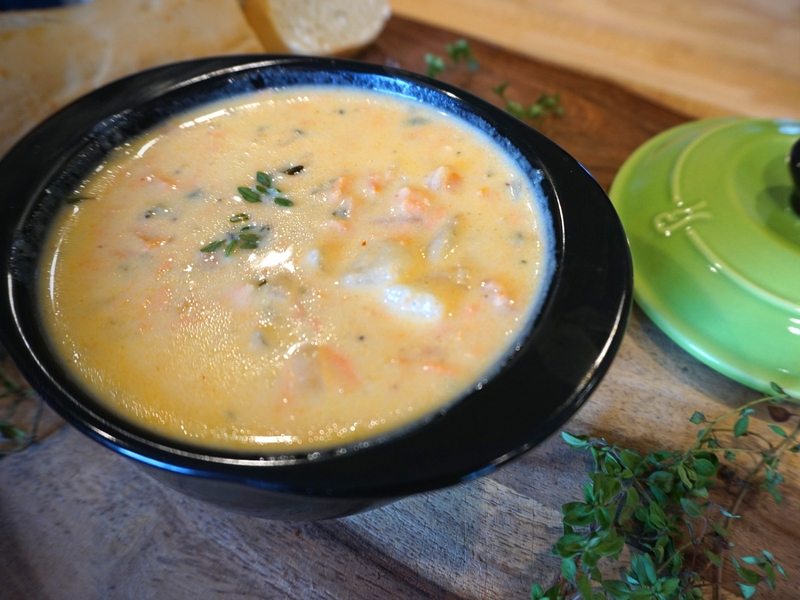
Embracing the Unexpected: Why a Fish Chowder Recipe Deserves a Spot in Your Kitchen
When the thought of homemade soup crosses your mind, images of hearty chicken noodle, rich beef stew, or even a creamy clam chowder often surface. Fish, however, might not be your first culinary instinct for a comforting bowl. But what if we told you that a well-crafted fish chowder recipe can be a revelation? It’s a delightful surprise that offers a unique blend of flavors, cooks up in impressively little time, and manages to be both light on the palate and incredibly satisfying.
Forget any preconceived notions you might have about fishy odors or complicated preparations. This particular style of fish chowder often reminds people of a vibrant Manhattan-style chowder – robustly flavored with tomatoes, yet distinctly different with the delicate presence of fish instead of clams. It's a fantastic way to introduce more seafood into your diet, providing a healthy, delicious meal that's perfect for a weeknight dinner or a cozy weekend lunch.
The Building Blocks: Essential Ingredients and Smart Substitutions
The beauty of this fish chowder recipe lies in its simplicity and versatility. While the core ingredients create a harmonious foundation, there's ample room for customization based on your preferences and what you have on hand.
Choosing Your Fish: The Star of the Show
The type of fish you select will significantly influence the chowder's texture and subtle flavor profile. The key is to opt for a mild, firm white fish that holds its shape well during cooking. However, don't be afraid to experiment!
- Firm White Fish: Cod, Haddock, Halibut, Tilapia, and Flounder are excellent choices. They flake beautifully and absorb the flavors of the broth without becoming mushy.
- Slightly Richer Options: Catfish or even Salmon (though not white fish) can add a bit more richness and distinct flavor. If using salmon, be mindful of its stronger taste and ensure it complements the other ingredients.
- Mix and Match: Feel free to use a combination of two or more types of fish to create a more complex flavor profile. For instance, a mix of cod and a leaner white fish can be wonderful.
Aim for about 1 ½ pounds of fish, cut into ½-inch cubes. This ensures even cooking and perfect bite-sized pieces in every spoonful.
Vegetable Foundation: Aromatics and Heartiness
The vegetables form the aromatic and hearty base of our chowder.
- Carrots: 1 medium, sliced. Adds natural sweetness and color.
- Celery: 2 ribs, diced. Provides a savory, earthy note.
- Potatoes: 2 medium, peeled and sliced. Yukon Gold or Red Bliss potatoes work best as they hold their shape without becoming overly starchy, offering a lovely textural contrast. Russets can also be used, but may break down more, adding a slight thickening to the broth.
- Leek: 1 large, white part only, cleaned and chopped. Leeks offer a milder, sweeter onion flavor than traditional onions, adding a sophisticated depth. Ensure you clean them thoroughly to remove any grit.
This classic combination of vegetables (carrots, celery, leeks) creates a delicate mirepoix that builds a rich flavor foundation.
The Tangy Core: Tomatoes and Flavor Boosters
This is where our chowder truly distinguishes itself with its bright, savory, and slightly tangy character.
- Stewed Tomatoes: 1 (14 oz.) can of stewed tomatoes, or a pint of home-canned tomatoes. These provide the essential tomato base and a touch of sweetness.
- Fresh Tomatoes: If using fresh, about a pound of diced fresh tomatoes can be substituted for the canned variety, offering a lighter, more vibrant flavor, especially when in season.
- Bottled Salsa: For an unexpected twist, substituting some or all of the tomatoes with your favorite bottled salsa (about ½ cup to 1 cup, adjusted to taste and spice preference) can introduce a wonderful layer of extra flavor and a mild kick. It’s a fantastic hack for adding complexity without extra effort.
Seasoning and Thickening: The Finishing Touches
These elements bring everything together.
- Stock: 5 cups of chicken, vegetable, or fish stock. Homemade stock will always yield the best flavor, but a good quality store-bought option works perfectly. Fish stock will enhance the seafood flavor, while chicken or vegetable stock keeps the taste slightly more neutral, allowing the fish to shine.
- Flour: ¼ cup. Used for dredging the fish, it helps create a lightly browned crust and contributes to the soup's body.
- Paprika: 2 teaspoons. Adds a lovely color and a smoky, sweet depth to the fish, which transfers to the chowder.
- Oil: 2 tablespoons. For searing the dredged fish.
- Salt, Pepper, and Cayenne Pepper: To taste. The cayenne adds a subtle warmth and gentle heat, which can be adjusted to your preference.
- Fresh Parsley: ¼ cup, chopped. Added at the end for a burst of freshness and color.
Crafting Your Perfect Fish Chowder: A Step-by-Step Guide
This fish chowder recipe is designed for efficiency and flavor, with distinct stages that build complexity. Here’s how to bring it all together:
Step 1: Building the Flavor Base
In a large pot or Dutch oven, combine the 5 cups of stock with the sliced carrot, diced celery, and chopped leeks. Bring the mixture to a simmer over medium heat. Cook these aromatics for about 10 minutes, allowing them to soften slightly and infuse the stock with their sweet and savory flavors. This initial simmer is crucial for developing the foundational taste of your chowder.
Step 2: Simmering for Depth
Once the initial vegetables have softened, add the stewed (or fresh/salsa) tomatoes and the sliced potatoes to the pot. Stir well to combine. Bring the mixture back to a gentle simmer, then reduce the heat to low, cover the pot, and let it cook for an additional 15 minutes. This allows the potatoes to become tender and all the flavors to meld beautifully. Taste and season generously with salt, black pepper, and cayenne pepper to your liking. Remember, you can always add more, but you can’t take it away!
Step 3: Preparing and Searing the Fish
While the soup base is simmering, prepare your fish. In a shallow dish or plate, mix the ¼ cup of flour with the 2 teaspoons of paprika. Dredge the ½-inch fish cubes thoroughly in this mixture, ensuring each piece is lightly coated. This coating will help the fish brown nicely and seal in moisture.
Heat the 2 tablespoons of oil in a large skillet over medium-high heat. Once hot, carefully add the dredged fish pieces in a single layer (you may need to do this in batches to avoid overcrowding, which can steam the fish instead of searing it). Cook the fish for just 1-2 minutes per side, until lightly browned. The goal here is to develop flavor and texture, not to cook the fish all the way through. It will finish cooking in the chowder. Once seared, remove the fish from the skillet and drain on paper towels to absorb any excess oil.
Step 4: The Final Assembly and Gentle Simmer
Just before you are ready to serve, gently add the seared fish pieces and the ¼ cup of fresh chopped parsley to the simmering soup. Stir gently to incorporate. Allow the chowder to simmer, uncovered, for just 5 minutes longer. This short cooking time is essential to ensure the fish becomes perfectly tender and flaky without overcooking. Overcooked fish can become tough or fall apart too much, diminishing the chowder's quality.
Step 5: Serve and Savor!
Ladle your vibrant fish chowder into bowls and serve immediately. It’s absolutely delightful with a side of warm, crusty bread, perfect for soaking up every last drop of the flavorful broth. This recipe generously serves 6 people.
Tips for an Unforgettable Fish Chowder Experience
- Don't Overcook the Fish: This is arguably the most critical tip. Fish cooks quickly, especially in a hot broth. Adding it at the very end and simmering briefly ensures it remains tender and succulent.
- Taste and Adjust Seasoning: Flavors can evolve during cooking. Always taste your chowder before serving and adjust salt, pepper, and cayenne as needed. A squeeze of lemon juice at the end can also brighten the flavors beautifully.
- Mise en Place: Having all your ingredients prepped and ready before you start cooking will make the process smooth and enjoyable.
- Quality Stock Matters: A good quality stock forms the backbone of your chowder. If using store-bought, opt for a low-sodium version so you can control the salt content yourself.
- Consider Fresh Herbs: While parsley is classic, a pinch of fresh dill or thyme can also complement the fish wonderfully. Add them at the same time as the parsley.
- Storage and Reheating: Fish chowder is best enjoyed fresh. If you have leftovers, store them in an airtight container in the refrigerator for up to 2-3 days. Reheat gently on the stovetop over low heat, being careful not to overcook the fish. For more ideas on perfecting your soup, you might want to revisit some of our earlier discussions on this topic, like the insights in fish chowder recipe - Article 1.
Variations and Serving Suggestions
This fish chowder recipe is a fantastic canvas for culinary creativity. Here are a few ways to customize and serve your delicious creation:
- Spicier Kick: For those who love heat, increase the amount of cayenne pepper, or add a pinch of red pepper flakes along with the other seasonings. A dash of your favorite hot sauce at the table is also a great option.
- Creamy Twist: While this recipe leans towards a lighter, broth-based chowder, a splash of heavy cream or a swirl of coconut milk (for a dairy-free option) stirred in at the very end can add a luxurious richness and a more "New England-style" texture, albeit with a tomato base.
- Additional Vegetables: Feel free to toss in other quick-cooking vegetables like frozen corn, green peas, or diced bell peppers during the last 5-10 minutes of simmering for extra color, texture, and nutrients.
- Garnish Galore: Beyond fresh parsley, consider a sprinkle of fresh chives, a drizzle of high-quality extra virgin olive oil, or even a dollop of sour cream or Greek yogurt for added richness.
- Beyond Crusty Bread: While crusty bread is a perfect companion, consider serving your chowder with oyster crackers, homemade cornbread, or a light side salad for a complete meal. You'll find more inspiration and variations by exploring fish chowder recipe - Article 2.
Conclusion
This delightful fish chowder recipe challenges the conventional notion of what soup can be. It’s a testament to how simple, fresh ingredients can come together to create a meal that is both profoundly satisfying and surprisingly quick to prepare. Whether you're a seasoned chef or a kitchen novice, this recipe offers a rewarding experience, transforming humble fish and vegetables into a vibrant, flavorful chowder that will undoubtedly earn a permanent spot in your culinary rotation. So, next time you're craving a comforting bowl of soup, don't shy away from the fish – give this recipe a try, and prepare to be charmed!
